

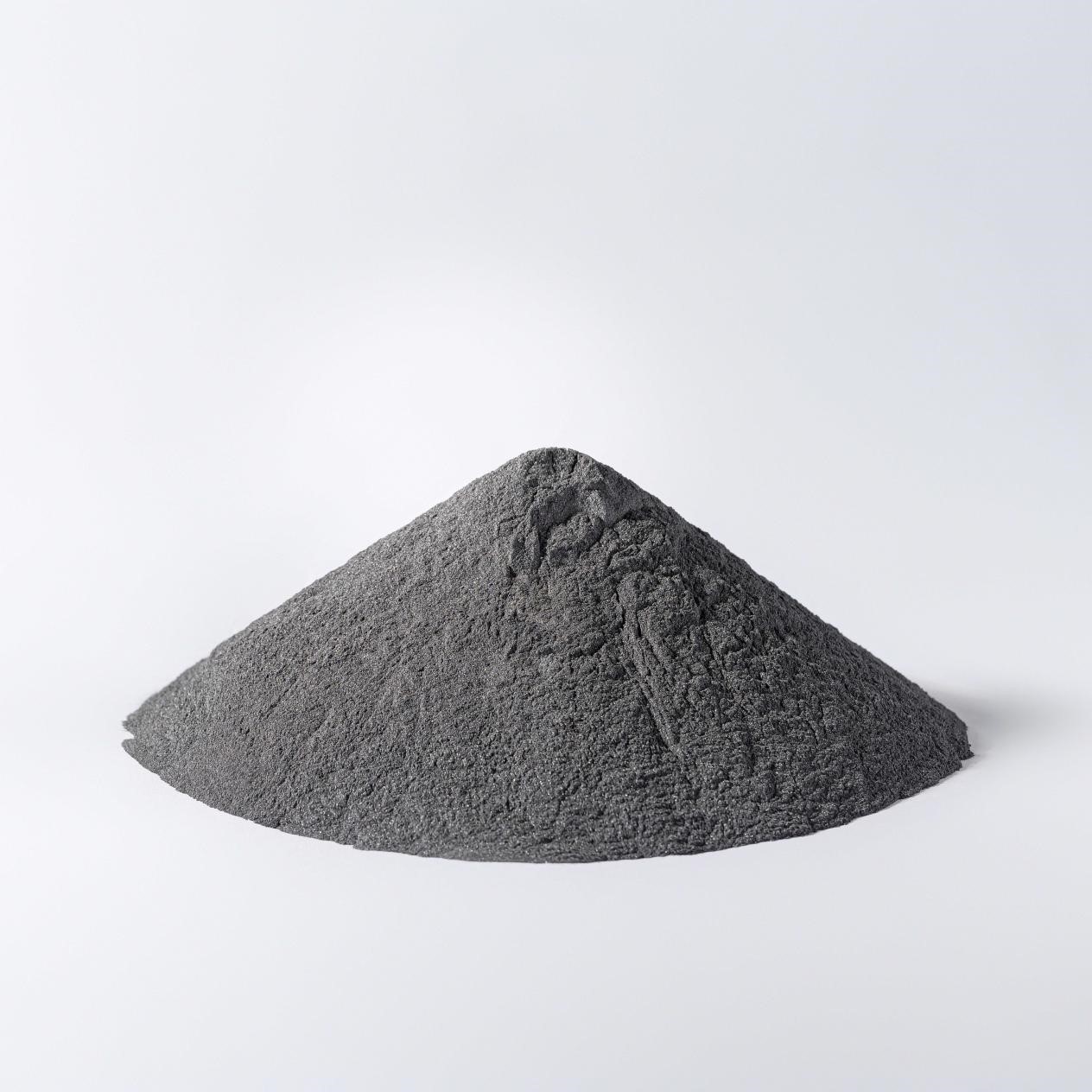
First, we need to understand what powder metallurgy and conventional cast parts are. Powder metallurgy is a method of forming metals or non-metallic materials into powders and then shaping them through processes such as pressing and sintering. Conventional cast parts, on the other hand, are produced by pouring molten metal into molds and extracting the solidified parts after cooling.
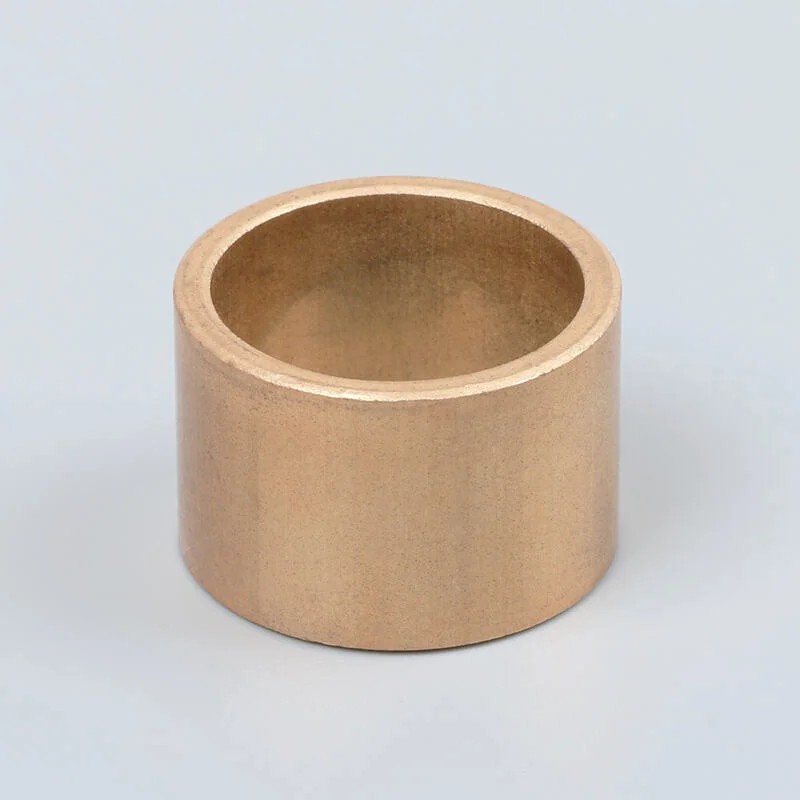
From the perspective of material costs, powder metallurgy is relatively low-cost. This is because powder metallurgy uses metal or non-metal powders, which typically cost less than molten metals. In addition, the material utilization rate in the powder metallurgy process is high, with minimal waste, which also helps reduce material costs.
However, from the perspective of processing costs, powder metallurgy may be more expensive than conventional cast parts. This is because the powder metallurgy process requires multiple steps, such as pressing and sintering, with higher equipment investment and operational costs. The production process of conventional cast parts is relatively simple, with lower equipment investment and operational costs.
Next, let's compare production costs. Due to the higher material utilization rate in powder metallurgy, less material is needed to produce the same number of parts, thereby reducing material costs. However, since powder metallurgy involves more processing steps, production efficiency is relatively low, and the labor cost per unit may be higher than that of conventional cast parts. In addition, waste and pollutants generated in the powder metallurgy process need to be treated and managed, which also adds to production costs.
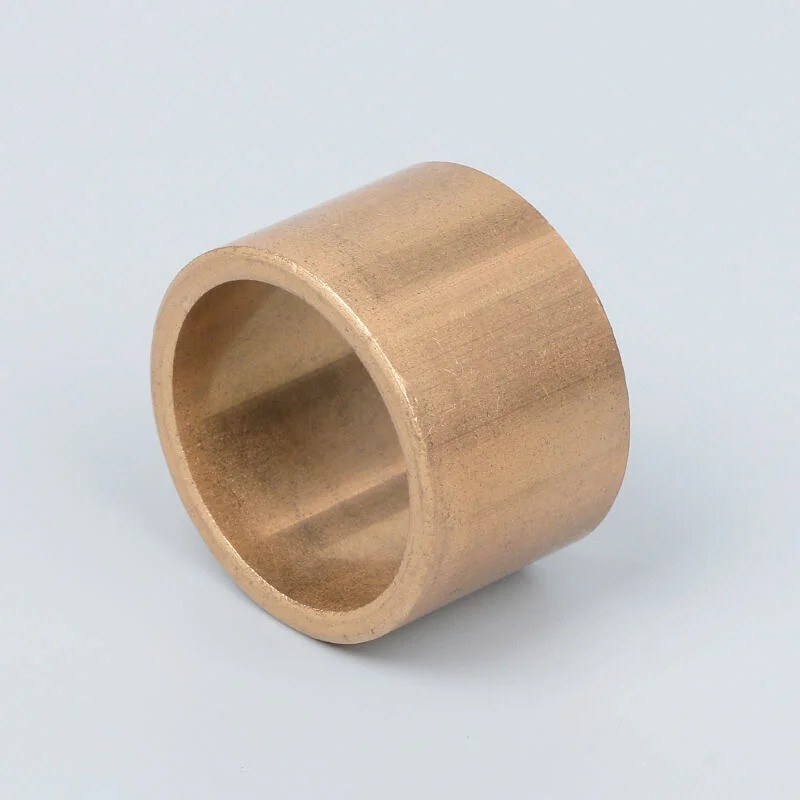
Finally, let's compare product quality. Powder metallurgy parts have high density and uniformity, so their mechanical properties and wear resistance are generally superior to conventional cast parts. Additionally, powder metallurgy parts have higher surface finish and dimensional accuracy, which helps improve the product's service life and performance. However, issues such as internal defects and cracks can occur during the production of powder metallurgy parts, potentially affecting product quality. Therefore, in practical applications, it is necessary to choose the appropriate manufacturing process according to the specific requirements of the product.
