

Automotive Industry:
High Precision and Complex Shape Manufacturing:
Capable of producing automotive parts with complex shapes and high precision requirements, meeting the diverse needs of automobile design. Complex parts such as engine oil pumps, water pumps, camshafts, and crankshafts can be manufactured using powder metallurgy.
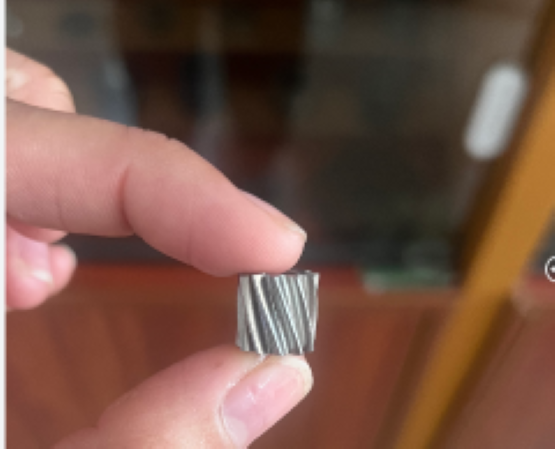
High Material Utilization: The pressing and forming of metal powders generates almost no waste, improving material utilization and reducing production costs. This has significant economic importance for the large-scale production of automotive components.
High Strength and Wear Resistance: Capable of producing parts with high strength and wear resistance, extending the service life of automotive components and ensuring vehicle reliability and safety. For parts such as brake pads in the braking system, using powder metallurgy materials can better withstand frequent friction and braking operations.
Lightweight Design: Powder metallurgy parts are usually lighter in weight, helping vehicles achieve lightweight design, improving fuel efficiency, reducing energy consumption, and meeting the automotive industry's requirements for energy savings and emissions reduction.
Suitable for Mass Production: This process is suitable for large-scale production, allowing the rapid manufacture of a large number of identical parts, meeting the automotive industry's high demand for components while ensuring product consistency and stability.
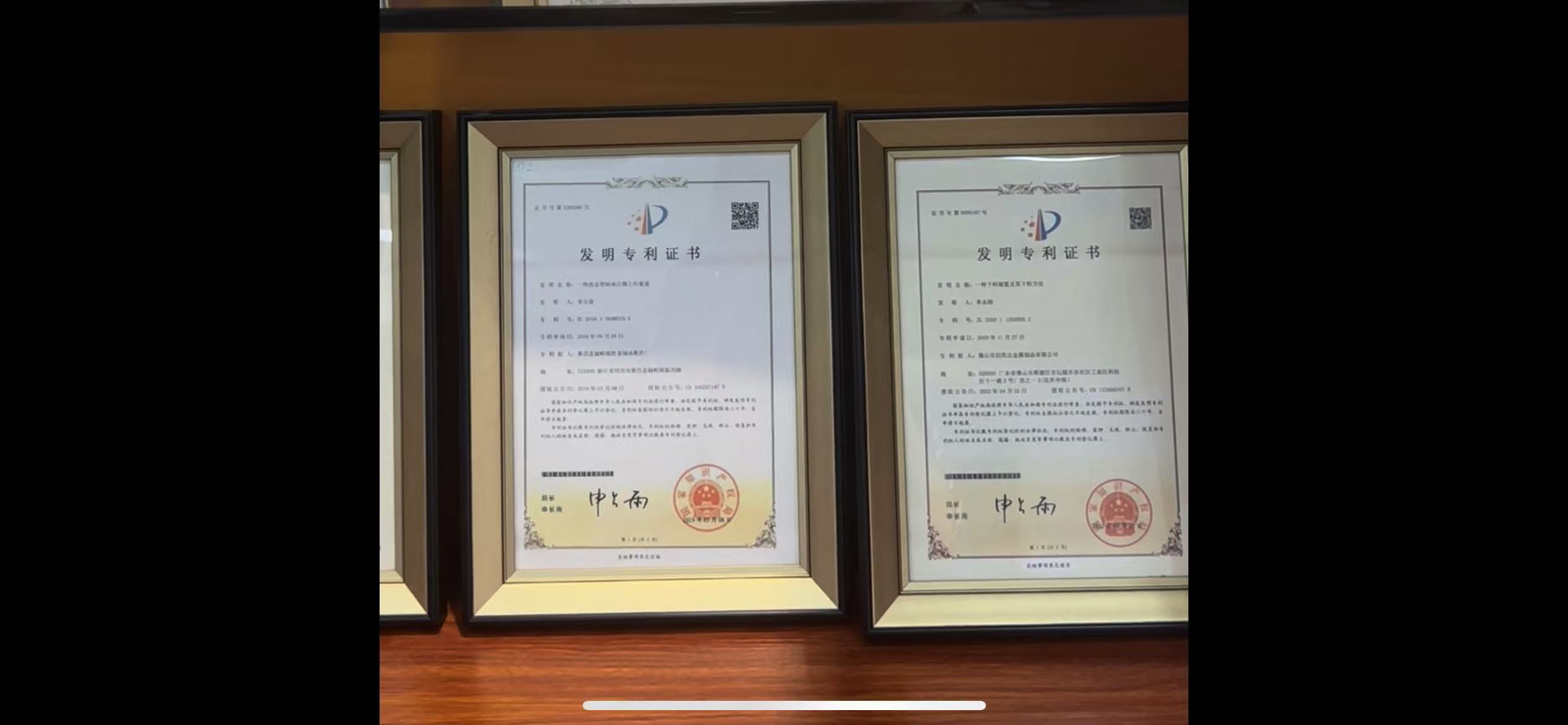
Electronics Industry:
High Precision: Powder metallurgy technology can produce parts with high dimensional accuracy and complex shapes, with small dimensional tolerances and good surface quality. This is crucial for electronic devices requiring precise fit and control, such as connectors and sensors. High Performance: By adjusting material composition and process parameters, parts with high strength, high hardness, and high toughness can be produced, meeting electronic devices' operational requirements under various complex conditions, with good wear and corrosion resistance suitable for internal electronic environments.
High Material Utilization and Cost Efficiency: The ability to manufacture near-net-shape parts reduces subsequent machining waste, improves material utilization, and supports high-volume production, thereby lowering production costs. This helps electronics manufacturers enhance productivity and market competitiveness.
Adaptability to Complex Environments: Electronic devices may operate in various complex environments such as high temperatures, high pressure, and high humidity. Powder metallurgy parts, with their excellent properties, adapt well to these conditions.
Environmentally Friendly and Energy Saving: The production process has a relatively low environmental impact, most materials can be recycled, and pollutants generated during processing are minimal, meeting the electronics industry's requirements for environmental protection and sustainable development. Compared to traditional manufacturing processes, it also has advantages in energy utilization.
Aerospace Industry:
Unique Material Properties: Powder metallurgy materials possess unique chemical compositions, and physical and mechanical properties unattainable by traditional casting processes, such as controllable porosity, uniform material structure, and no macroscopic segregation, which are critical for the aerospace industry's high material performance requirements.
Excellent High-Temperature Performance: Including powder metallurgy high-temperature alloys, these materials can be used to manufacture turbine disks, nozzles, blades, and other high-temperature components, maintaining good performance and stability under extreme high-temperature conditions.
Lightweight advantage: It helps reduce the weight of aircraft, which is significant for improving fuel efficiency, increasing range, and enhancing payload capacity. For example, powdered aluminum alloys can be used as structural materials for aircraft, reducing weight while ensuring strength.
Manufacturing complex-shaped parts: It is possible to manufacture components with complex shapes, meeting the special shape requirements of aerospace equipment parts, such as brake pads on aircraft engines, clutch friction plates, sintered filters, and other components that are complex in shape and high in performance requirements.
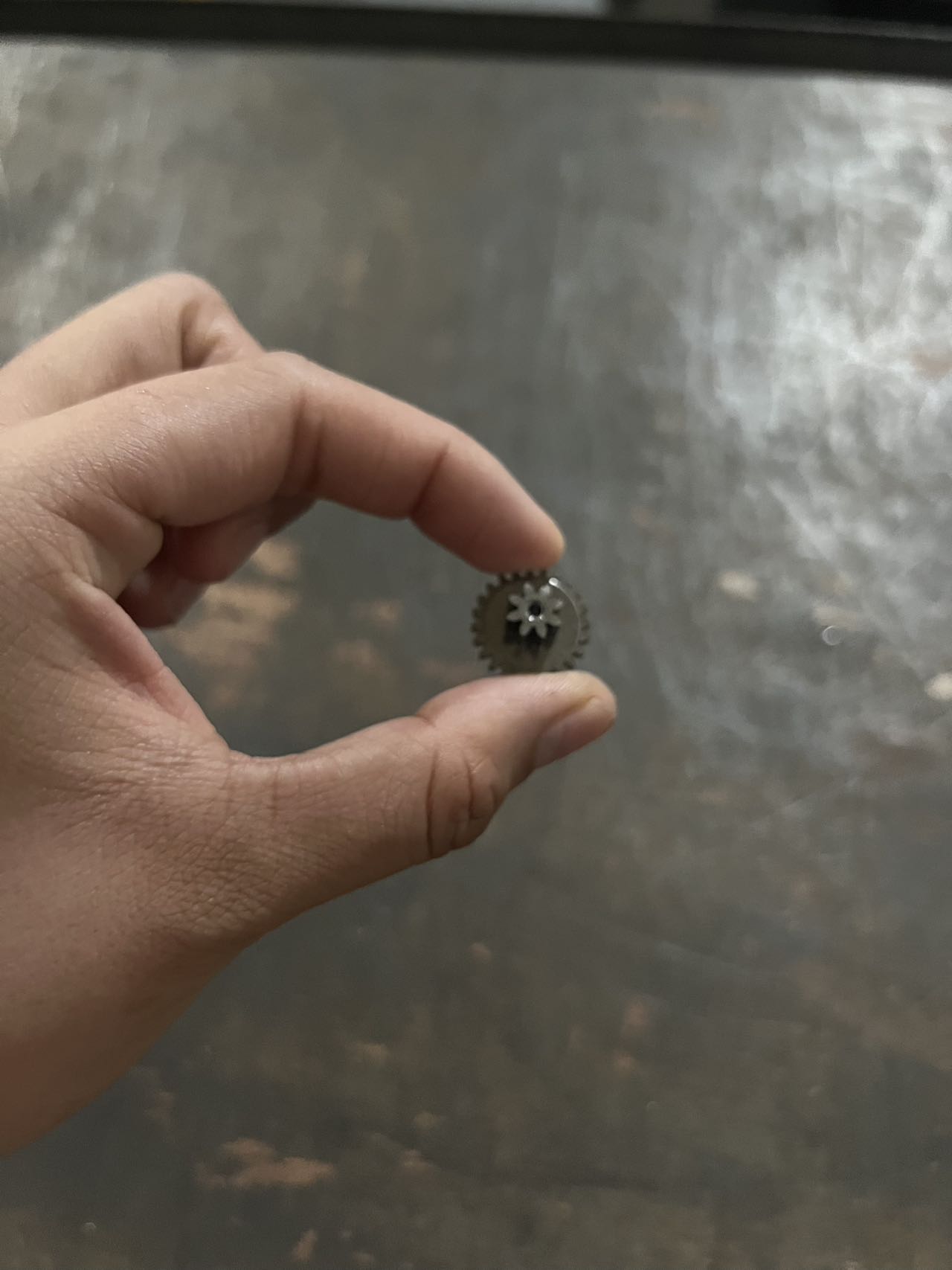
Mechanical manufacturing industry:
Good self-lubricating properties: Some powder metallurgy materials can be made into friction-reducing materials, such as by impregnating lubricating oil in the material's pores or adding friction reducers or solid lubricants to the material composition, resulting in a low coefficient of friction on the surface. With limited lubricating oil, they have a long service life and high reliability, suitable for manufacturing bearings, support bushings, and other mechanical components, reducing equipment wear and maintenance costs.
Near-net shaping: It can achieve shapes close to the final product, reducing subsequent machining, improving production efficiency, lowering processing costs, and ensuring the dimensional accuracy and consistency of parts.
